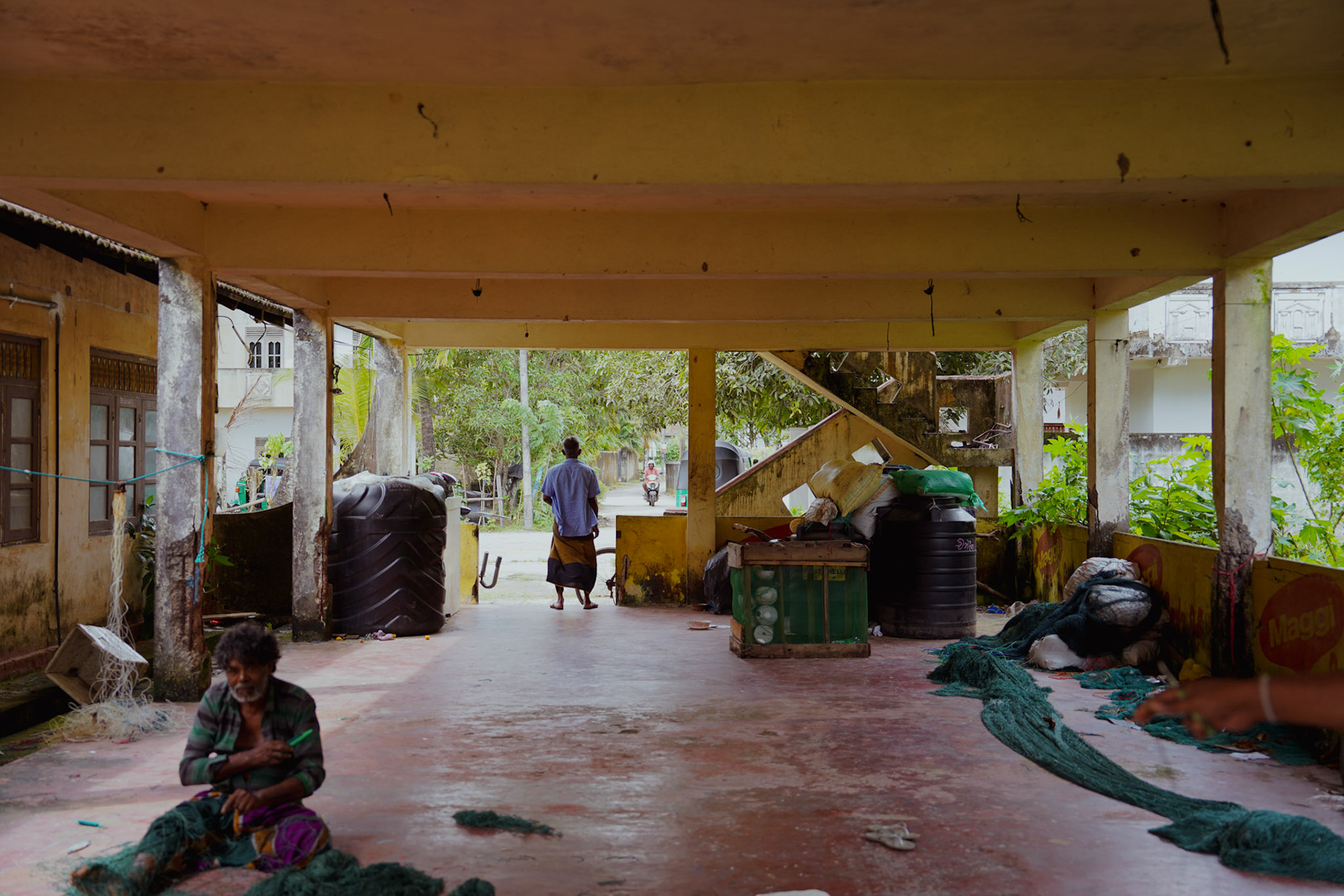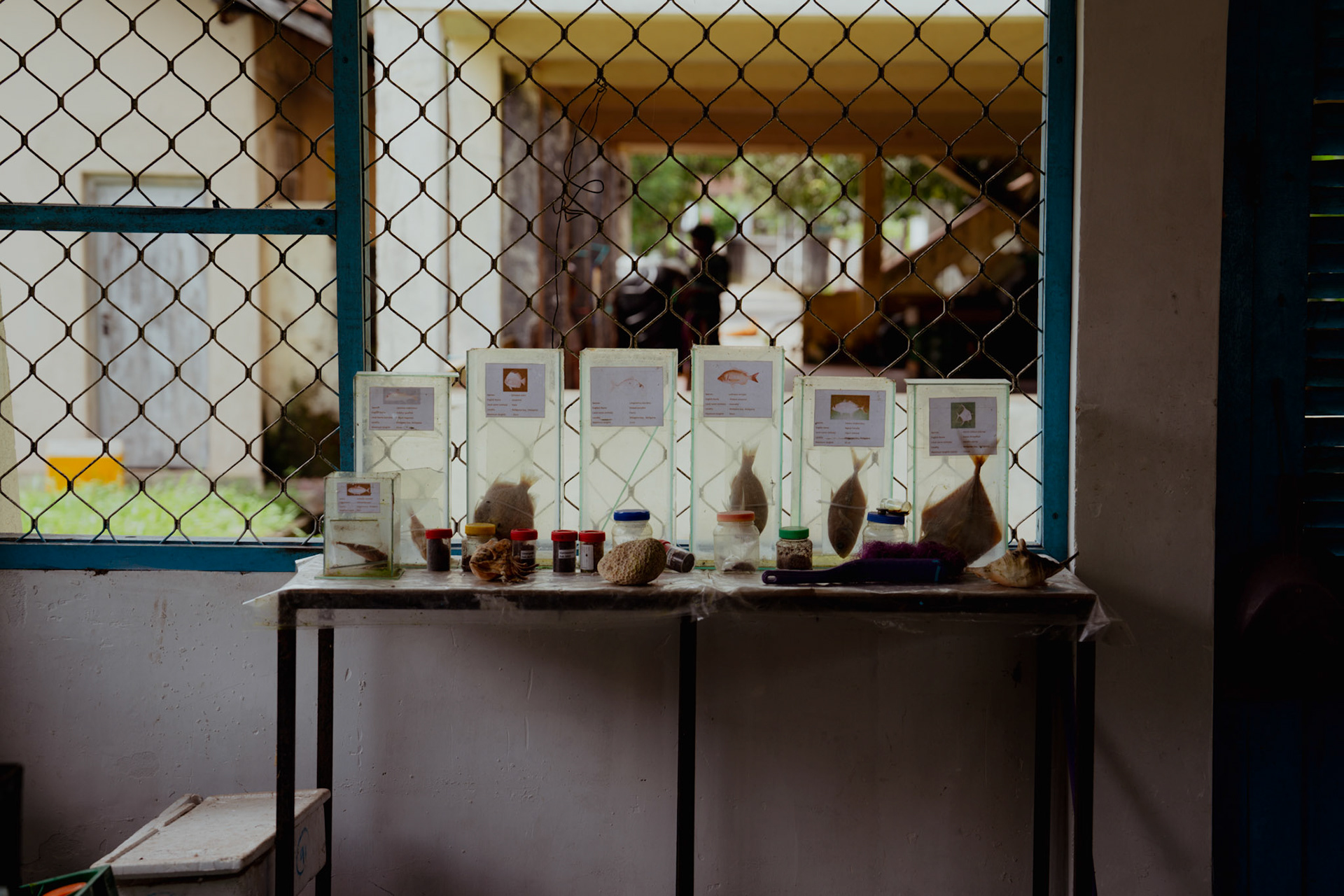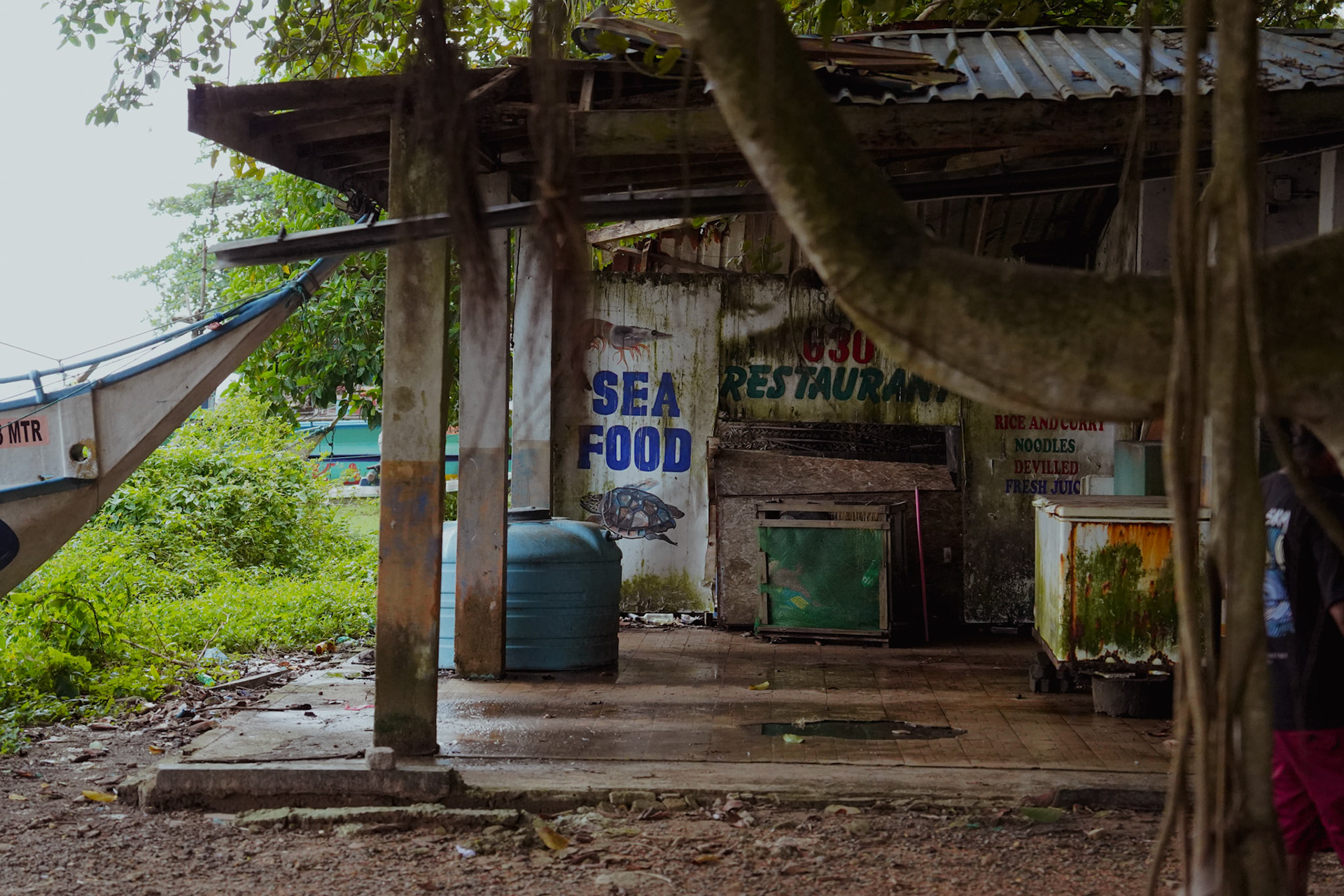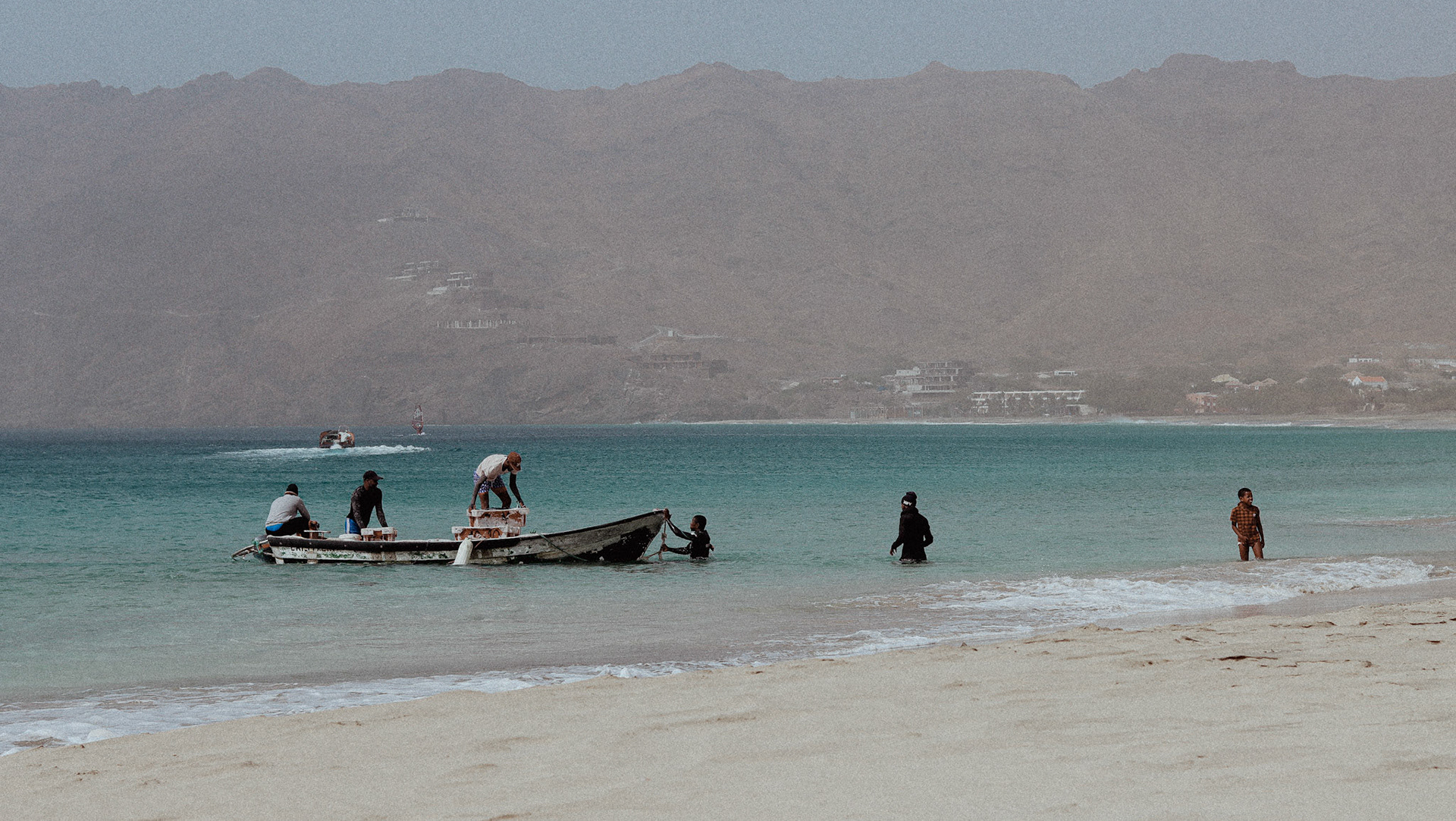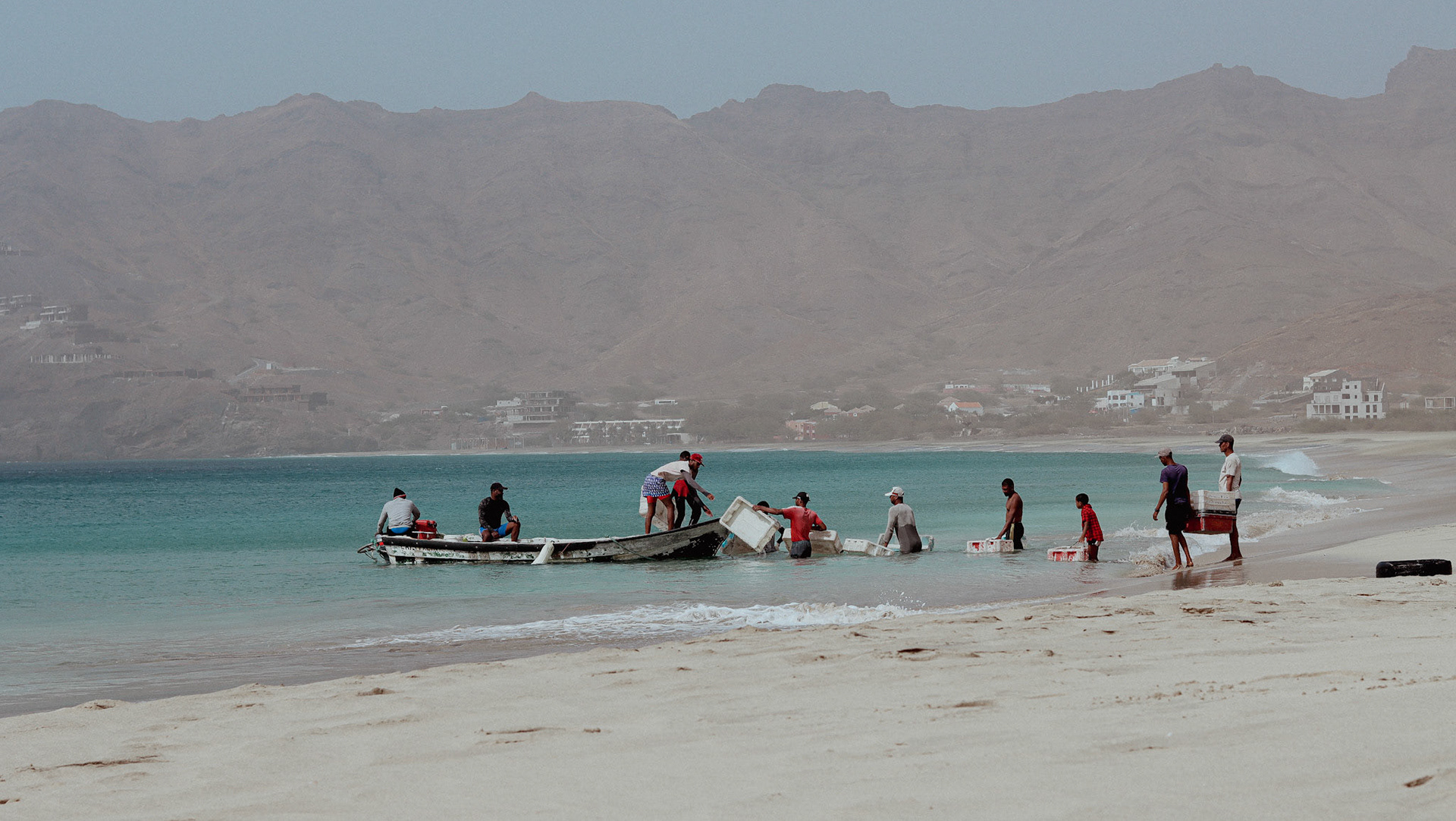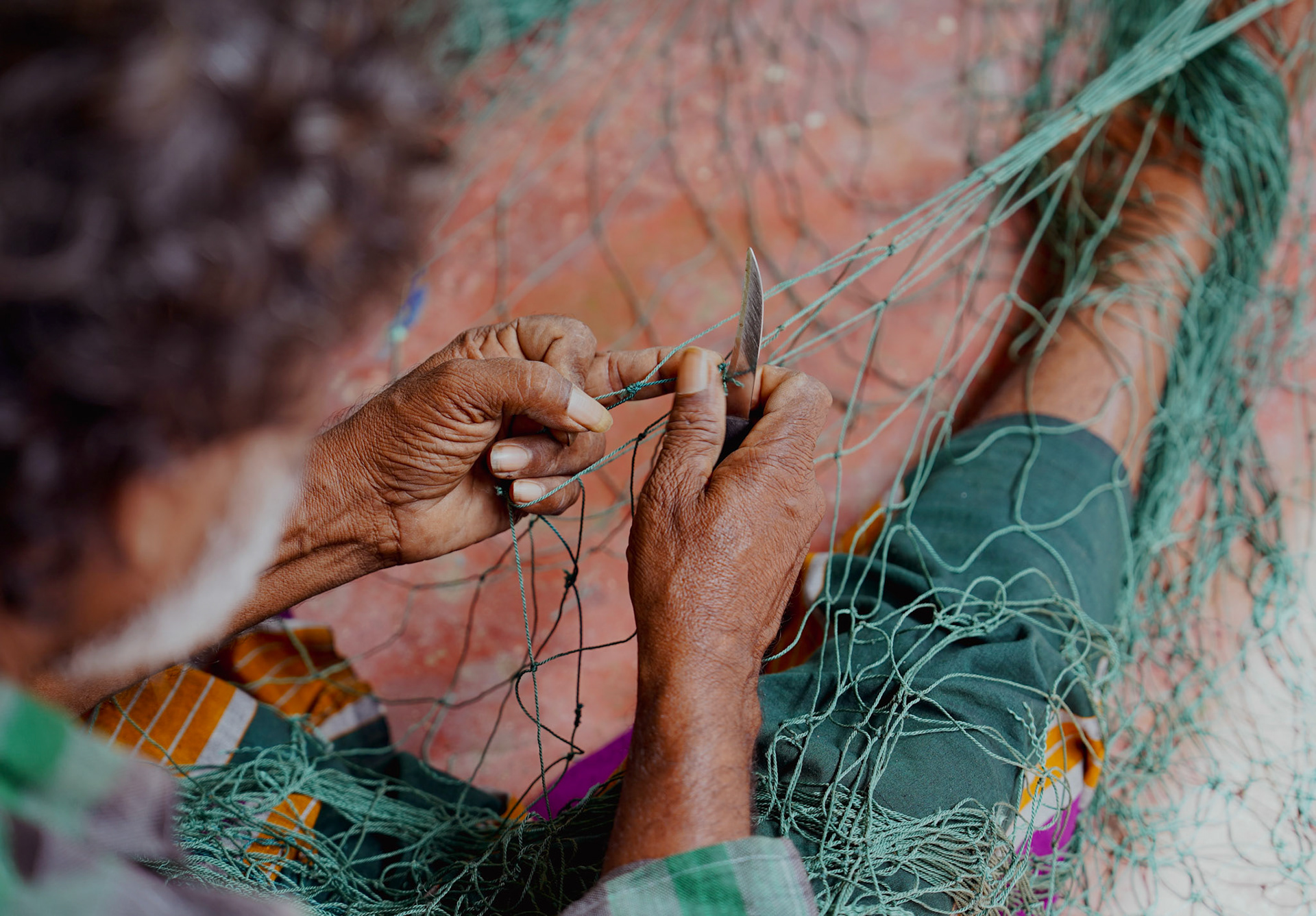
In Sri Lanka, I ended up by chance at the fishermen's guild in a small village.There, while they were teaching me how to mend nets, I learned that they are one of the few communities in the world that still practices small-scale fishing, unlike the large vessels owned by multinational corporations. In fact, in a small laboratory, several researchers study this community and its fish species.
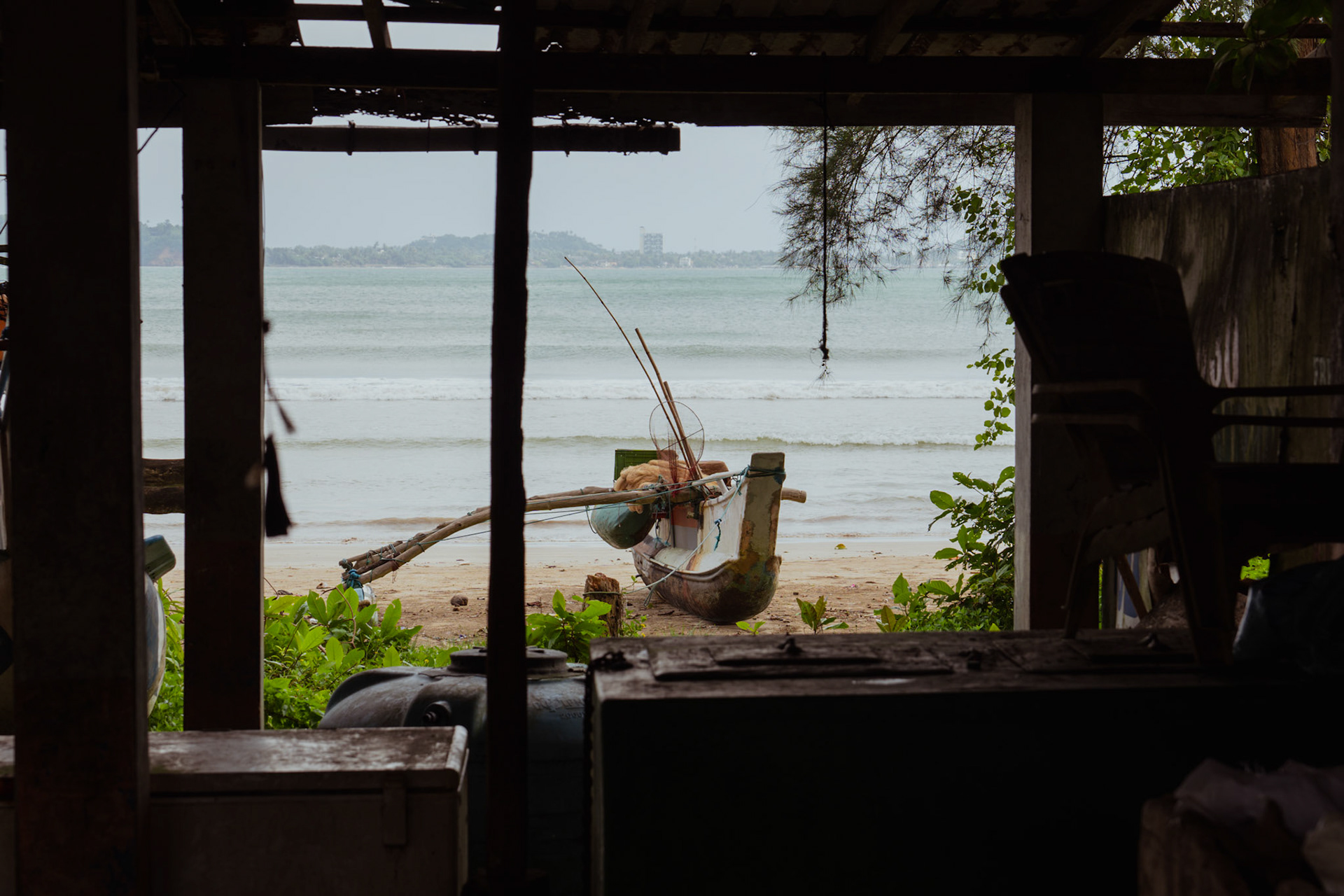
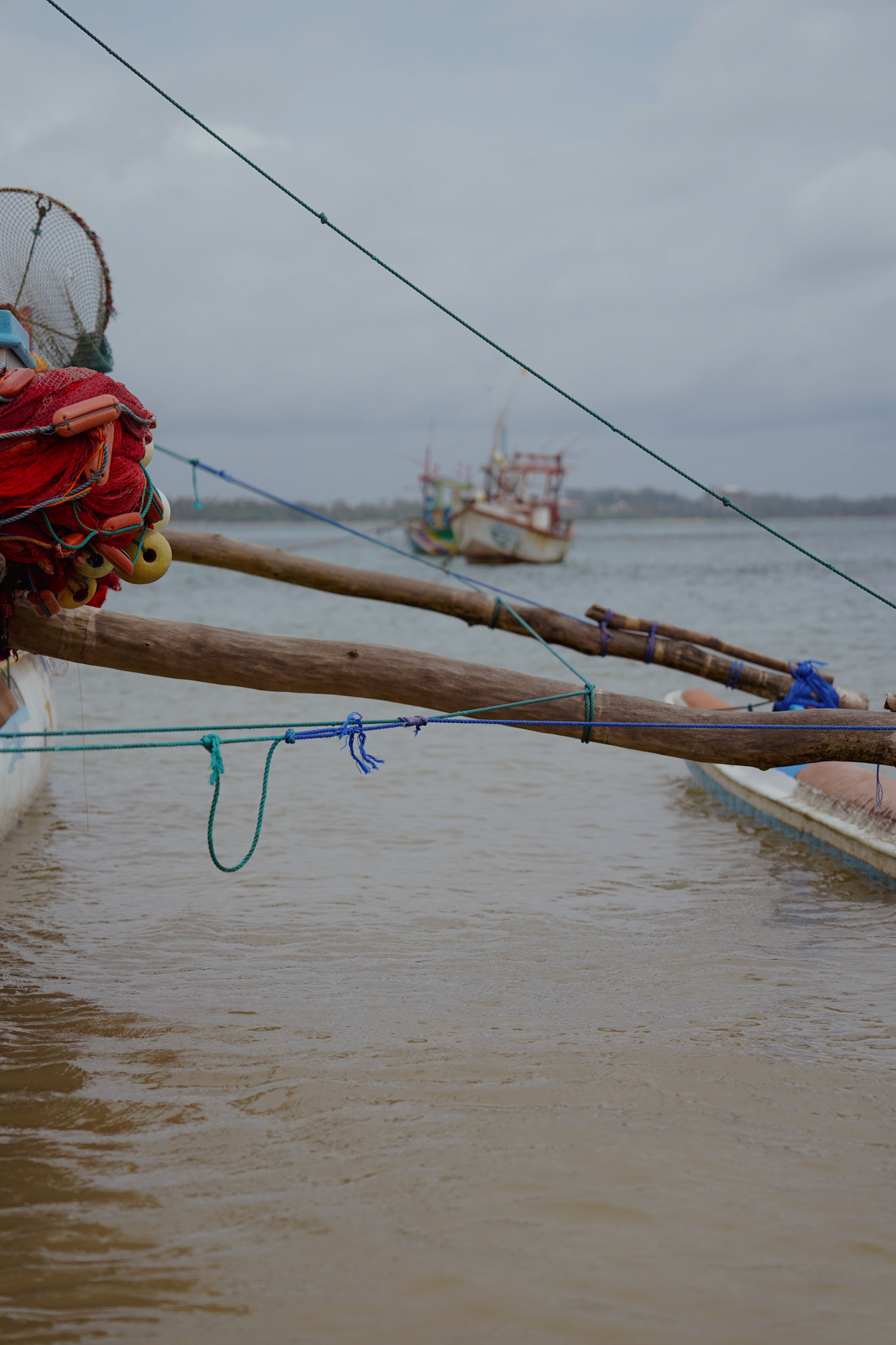
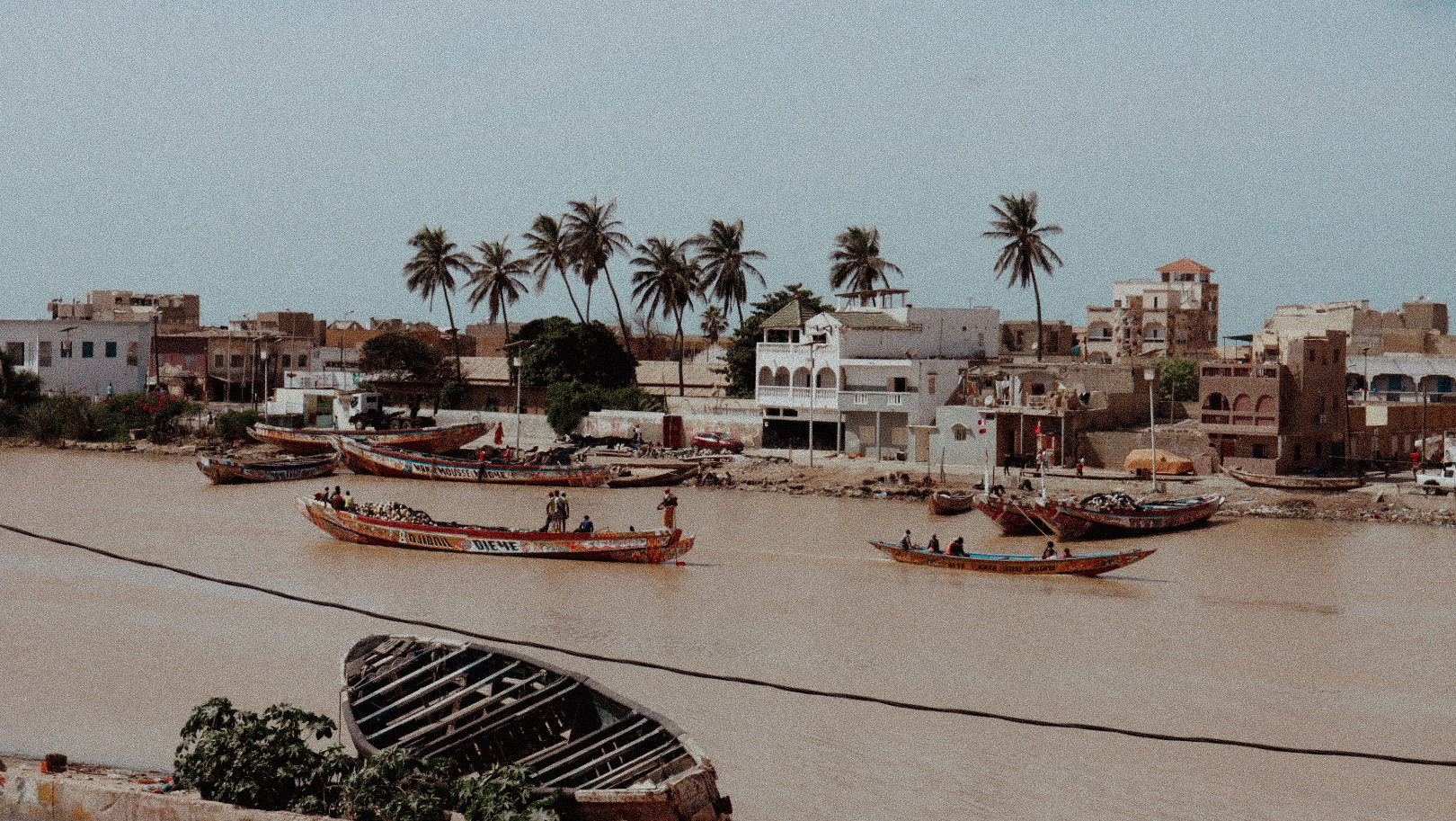
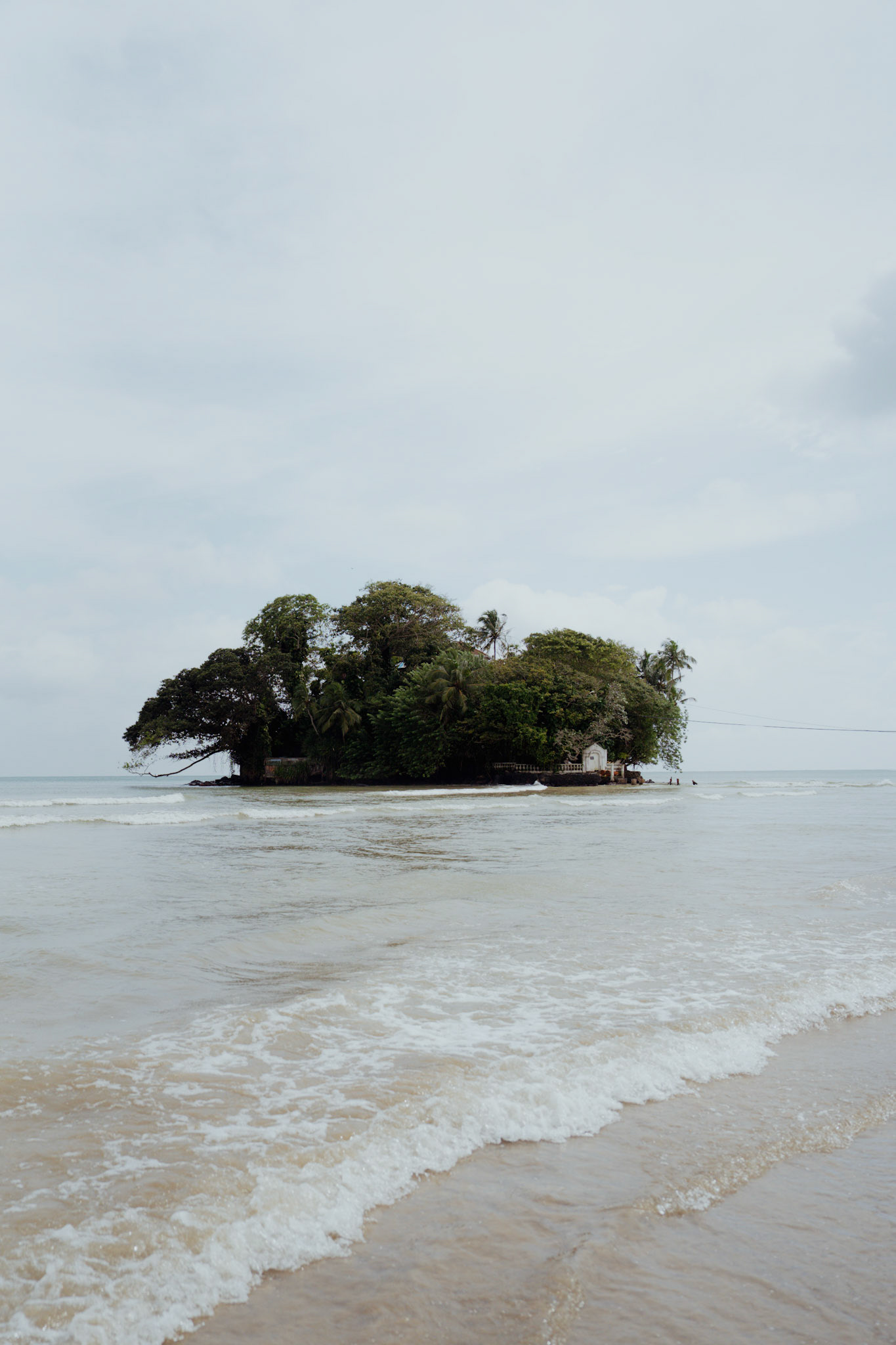
Every day, they go out to the bay with fishing rods and their wooden boats, which look more like Hawaiian canoes. The beaches are full of these boats, and from the shore, you can see them fishing just a few meters away. They look like gondoliers.
The good news is that they continue to survive the overwhelming influx of luxury tourism that stays on their beaches. Luckily, they continue to fish and make a living from it.
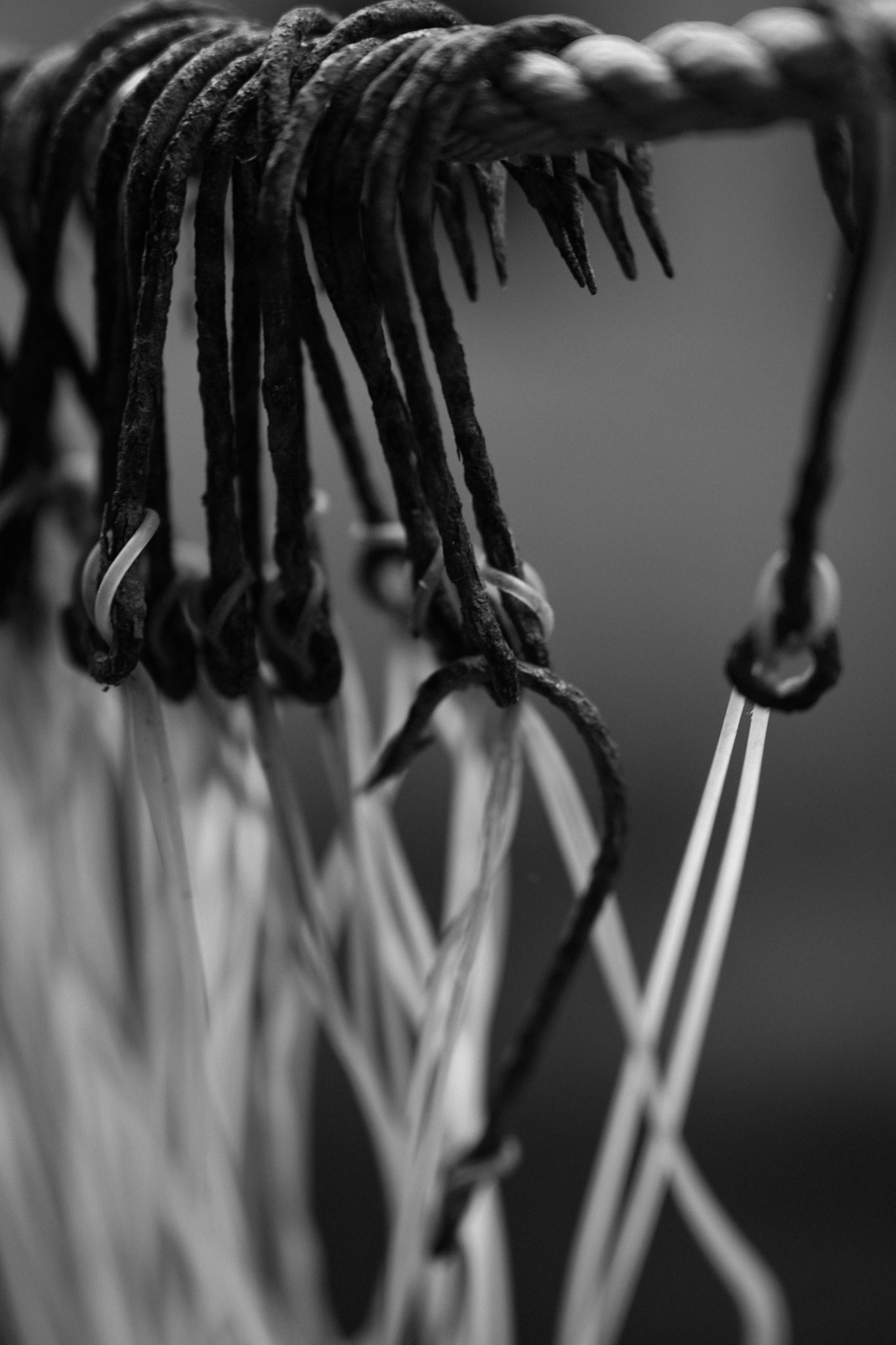
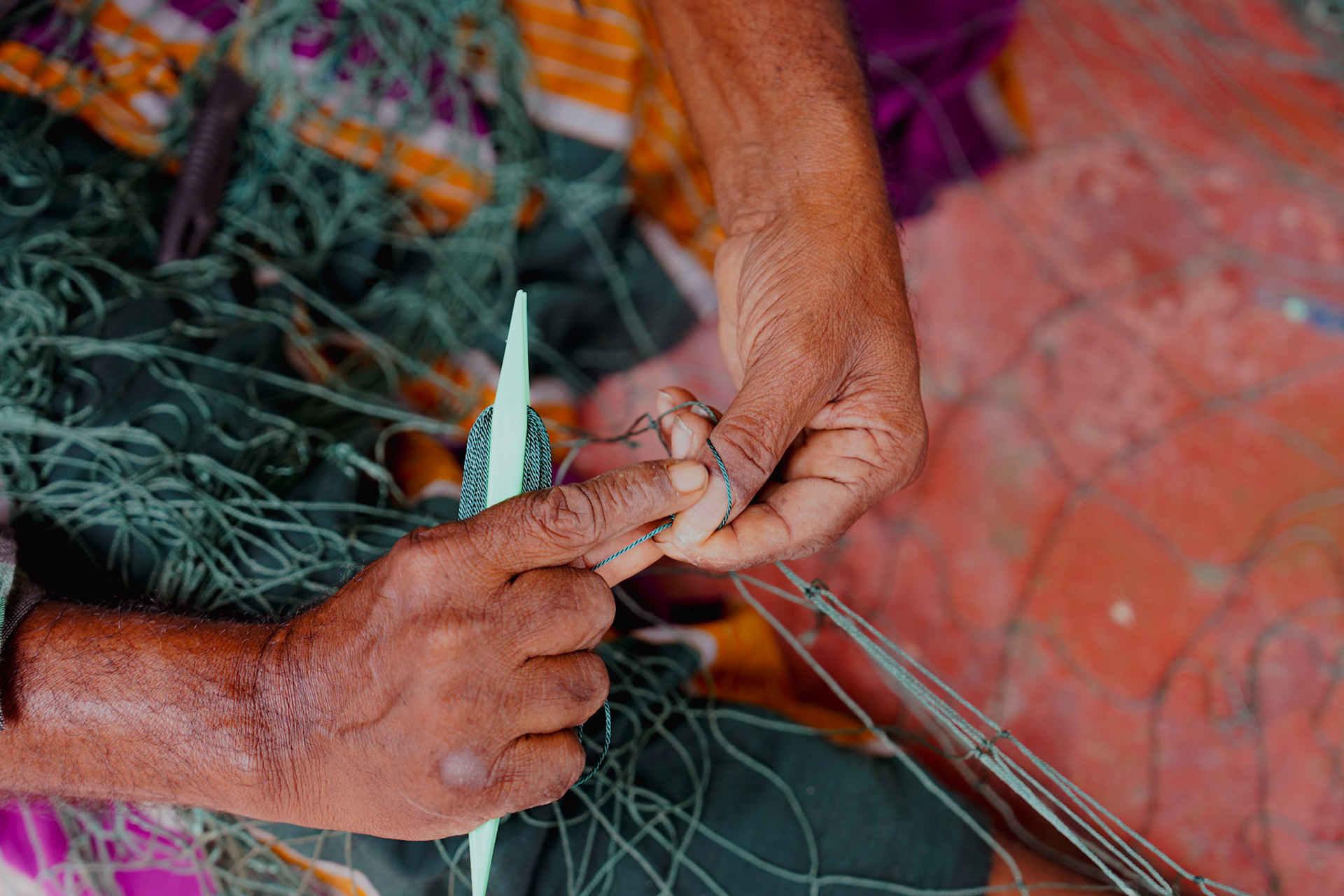
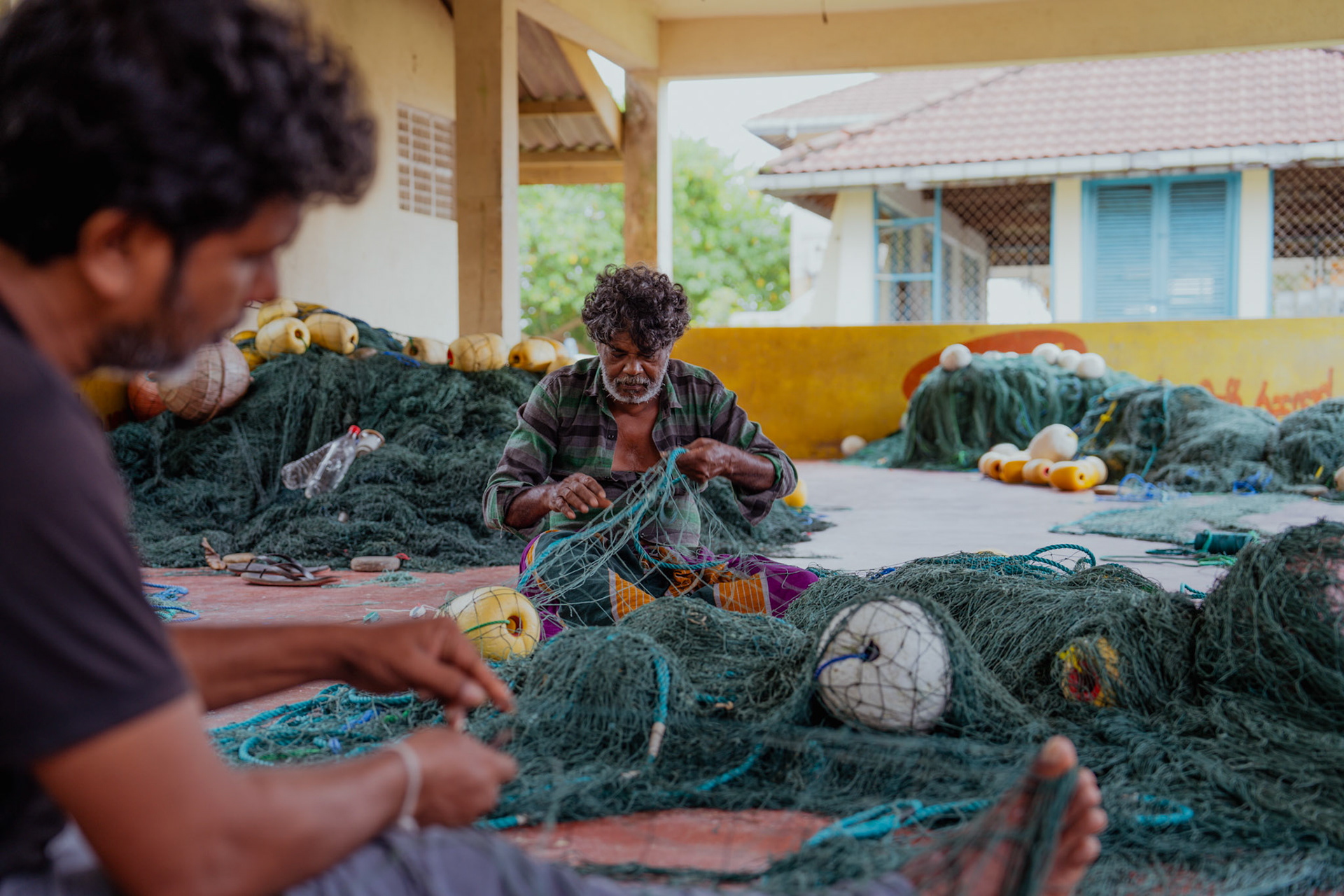
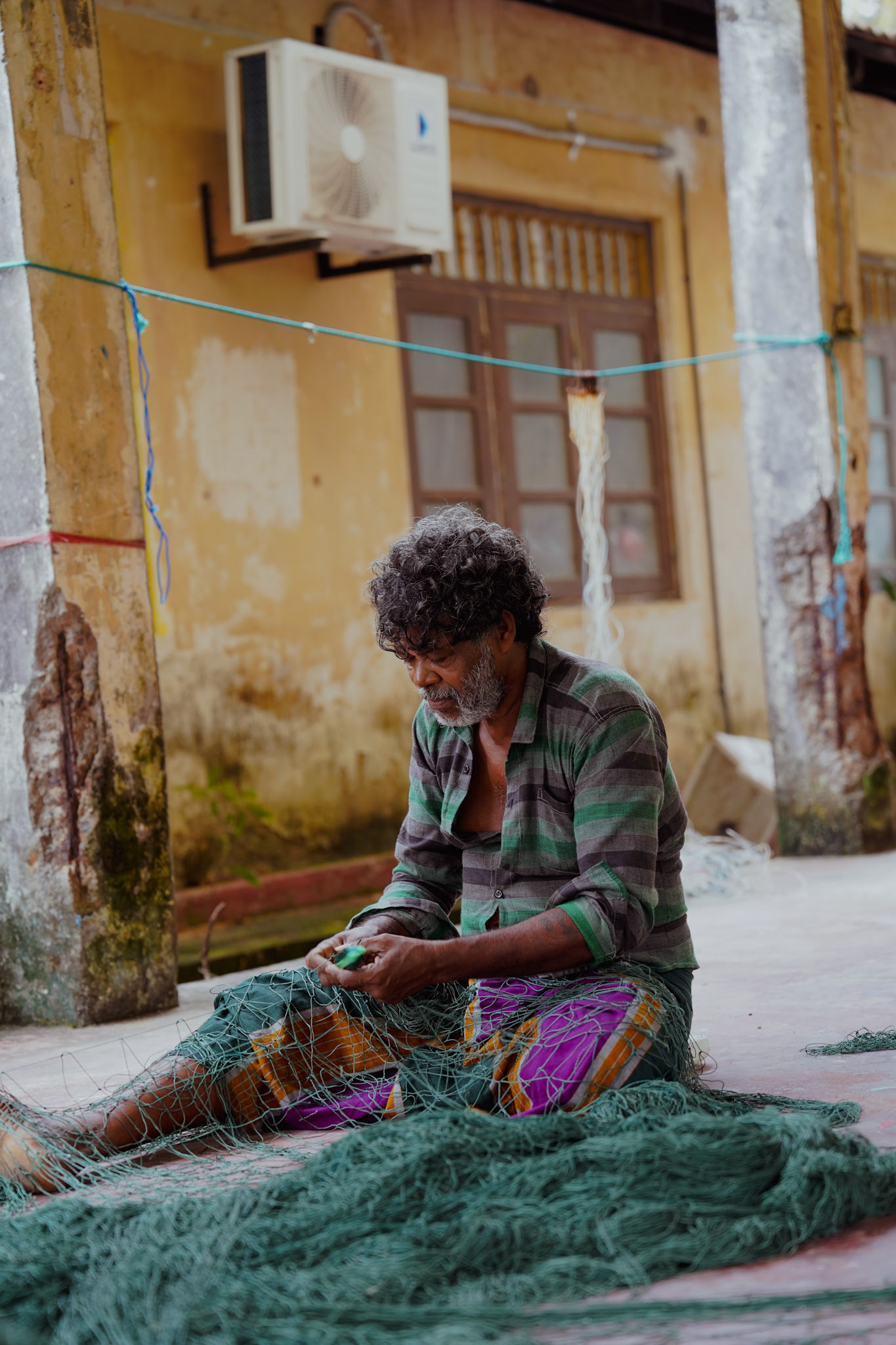
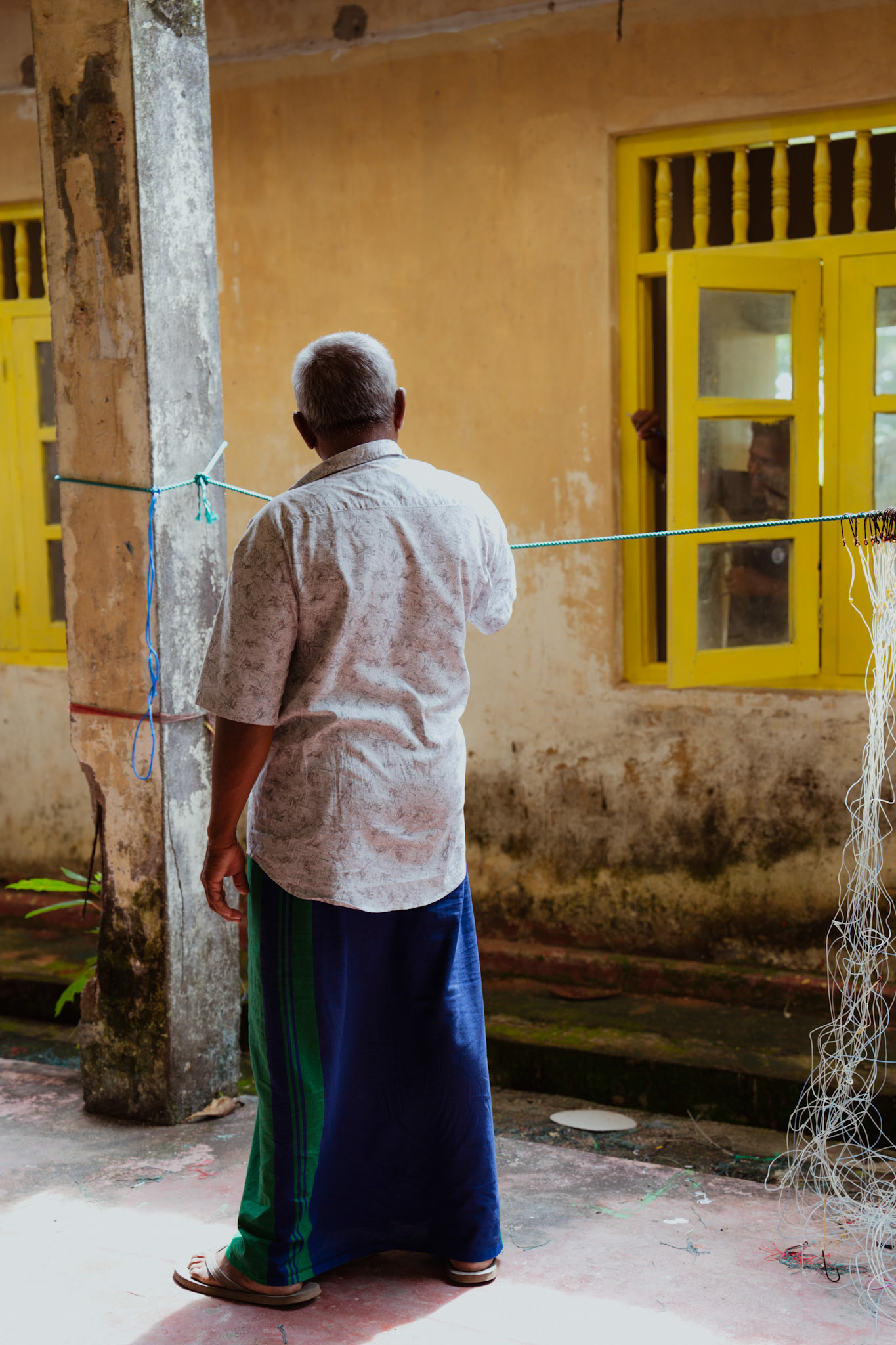
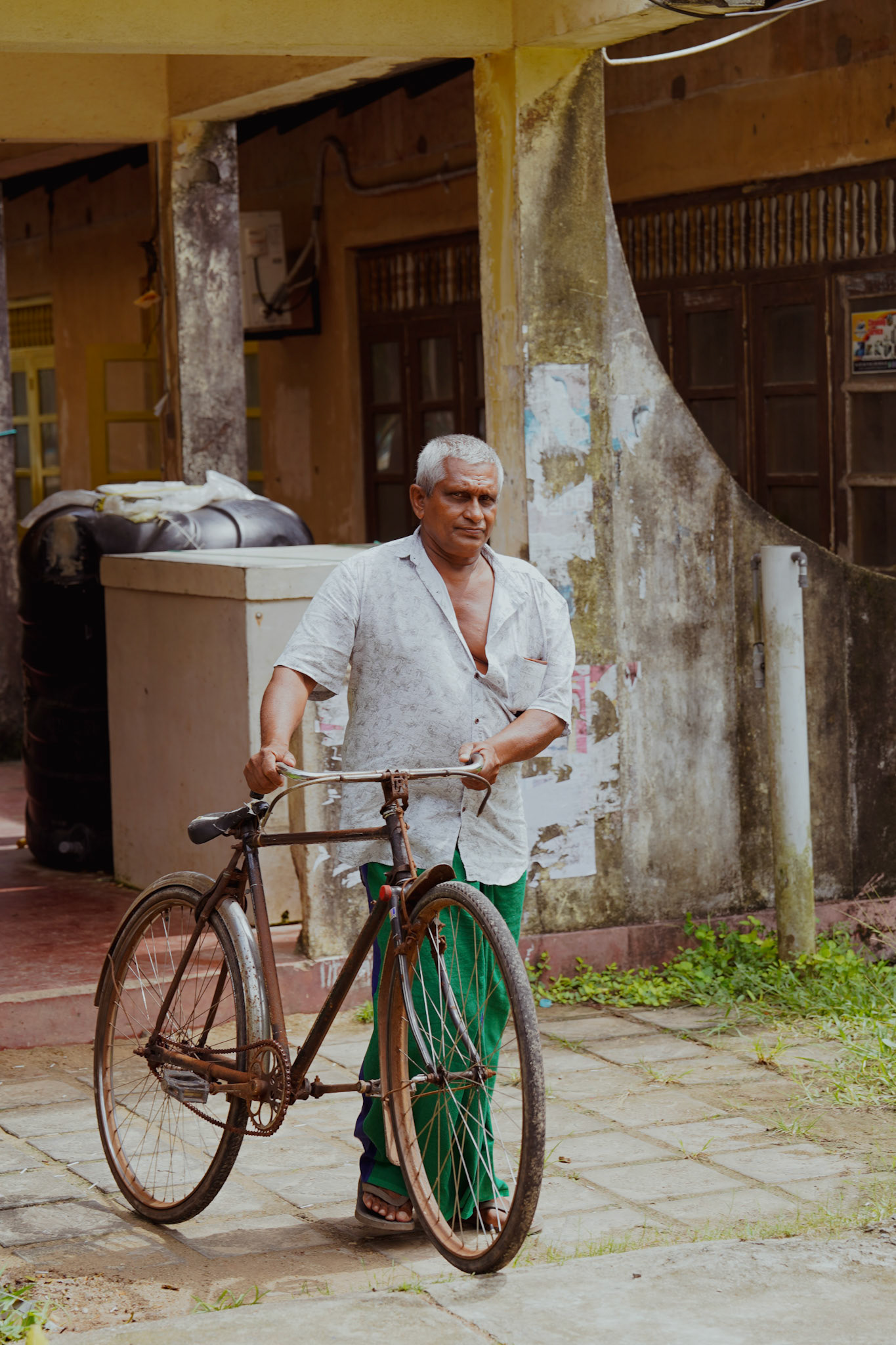
At the fishermen's guild, we met the only two men who still weave nets.
These men weren't fishermen, just net menders. They dedicate eight hours a day to finding the holes in the nets and mending them so they can continue to be used. Unlike what happens here, they don't throw them away; they repair them. As the only experts in this craft, they earn more than they would doing other jobs. But like most trades, few young people want to continue this work.

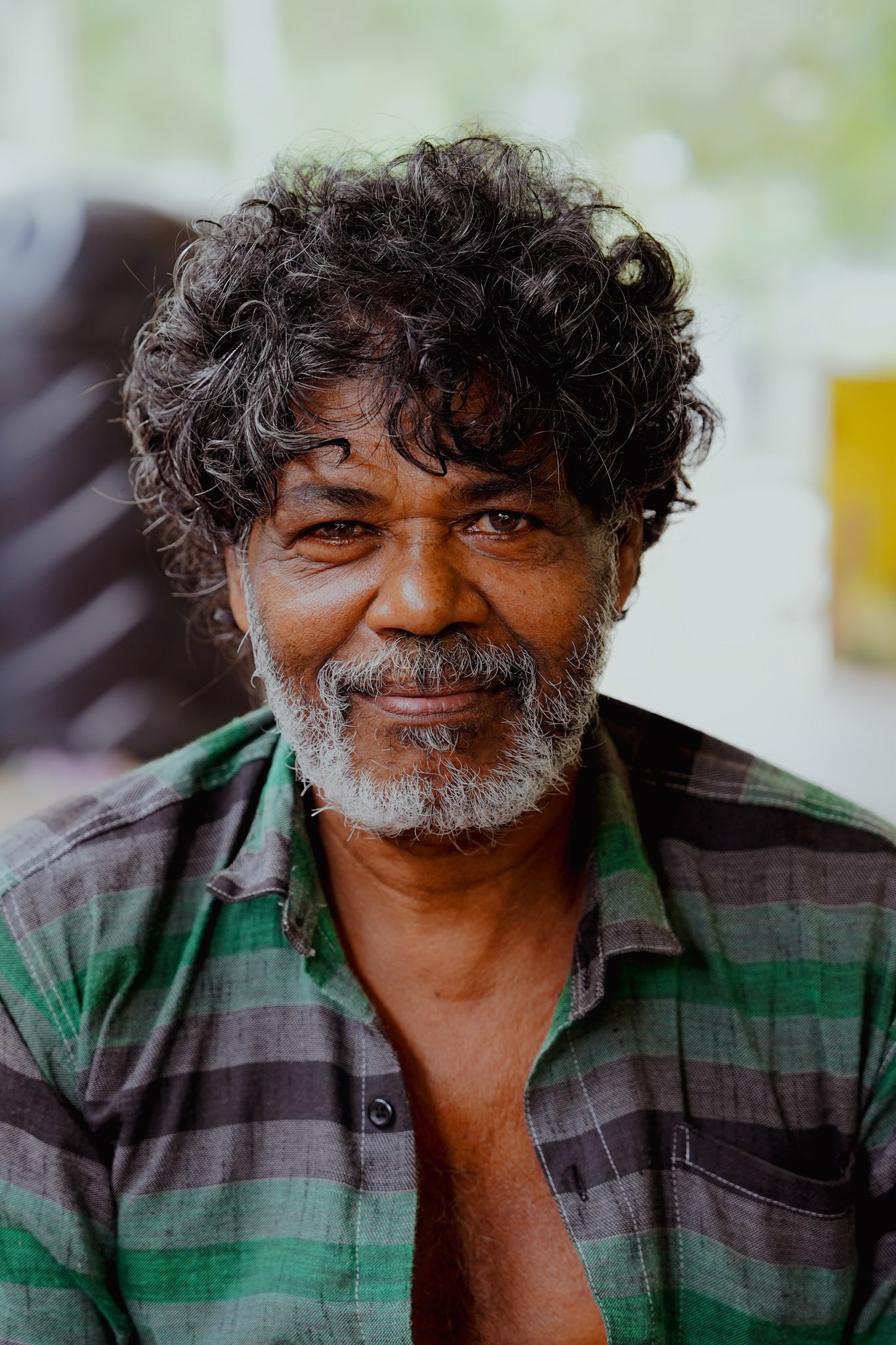
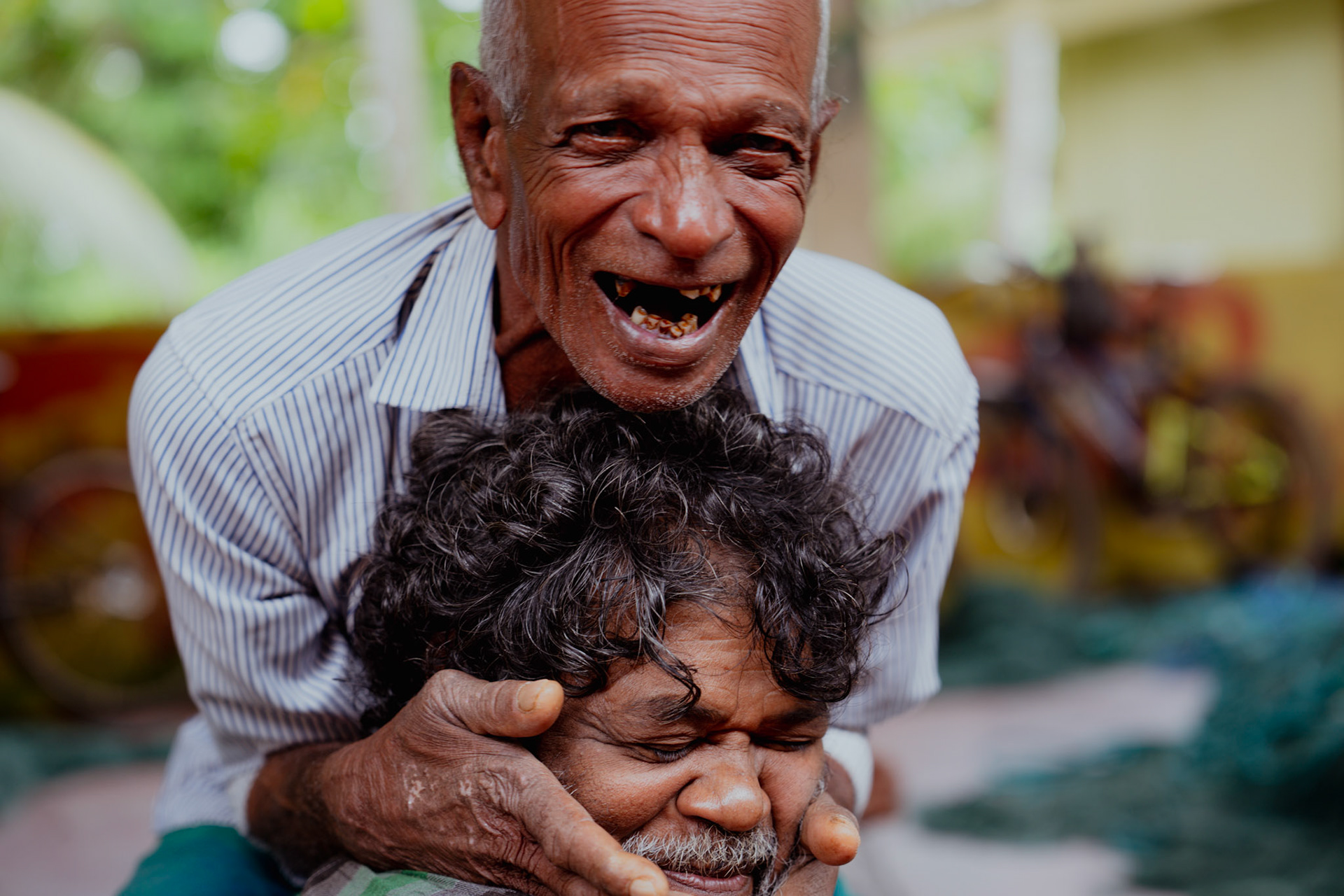
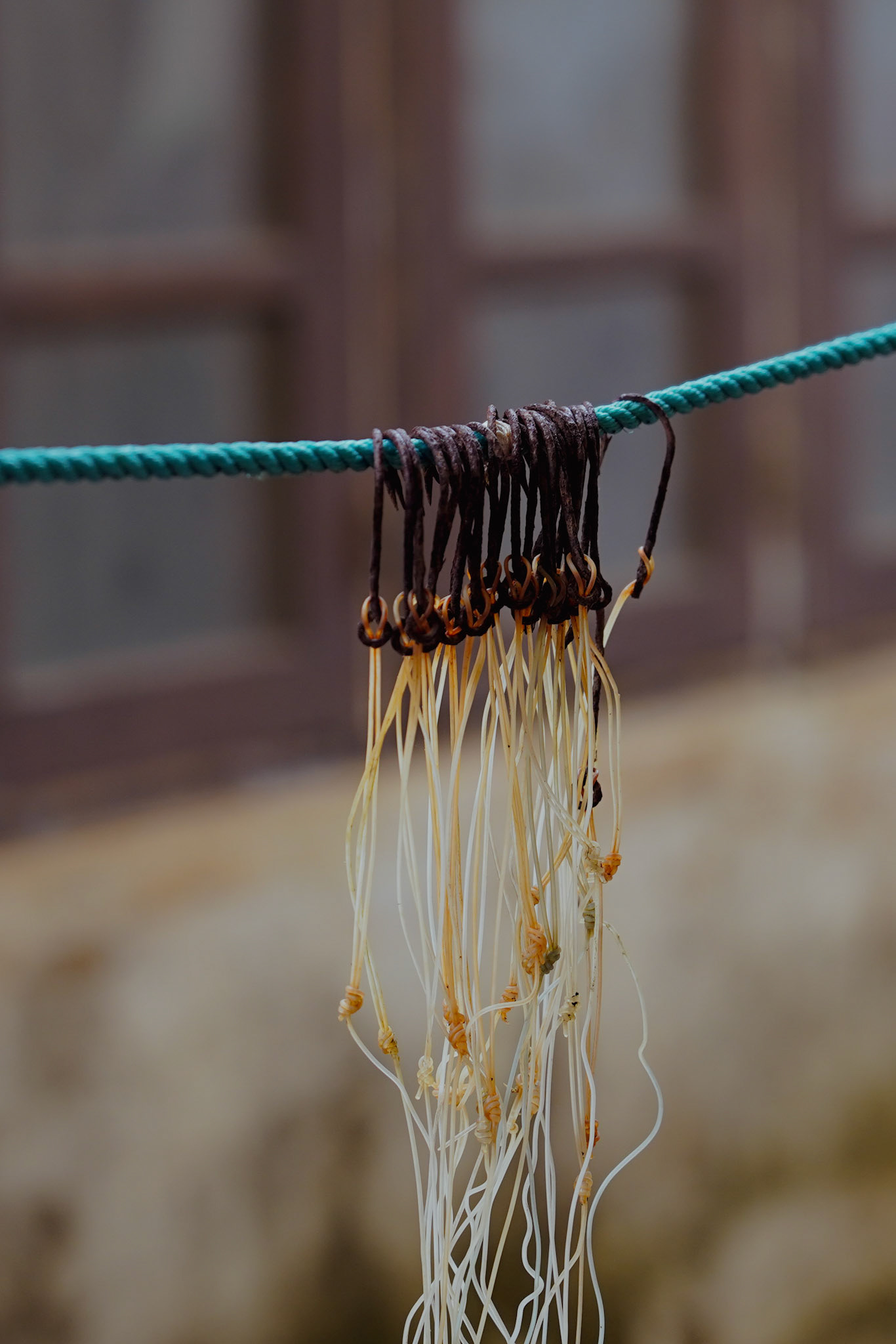
They explained that many of the holes are caused by giant tuna in the open sea. This particular net measured 5,000 km and it would take about 7 days to repair. They leave the large nets at sea for a month. But they also showed us small nets used in the bay to catch smaller fish.
We also tried sewing. While they sewed, they chatted peacefully. Fishermen arrived, sat down, joined the conversation, and then left again.
There was still a sense of peace...
I guess the same peace I felt when I was little and went fishing with my grandfather in Lekeitio. Afterwards, we would meet my grandmother at the fishermen's guild where the women still sewed.